
Reviewed · GOAT ISLAND SNORKELING TOURS
Guided Snorkel Experience, Advanced
Goat Island’s protected waters put you close to schools of fish, rays and other marine life, while a guide helps you practise the skills that make snorkeling more comfortable. This 2.5-hour session is less about covering a lot of distance than learning how to spend more time at ease beneath the surface.
I like two things in particular: the practical coaching, which covers ear equalizing, snorkel clearing and breath-hold practice, and the extra use of your equipment after the tour, so you can keep exploring the reserve at your own pace. Guides also point out marine life you could easily miss on your own.
One consideration: this is sold as an advanced session, and you should be comfortable with moderate physical activity. But the group may include people with different levels of experience, which can affect how far you go and how much of the reserve you see.
- A short lesson before you enter the water: Practise breathing and core snorkel techniques on land before putting them to work.
- Goat Island Marine Reserve: Swim among fish in New Zealand’s first marine reserve, with a guide nearby to help identify what you see.
- A small group: The maximum is 10 people, though mixed abilities can shape the pace.
- Gear included: Mask, snorkel, fins, wetsuit and weight belt are provided and fitted at the center.
- More time in the water: After the guided session, you can use the equipment for the rest of the day.
- A flexible location: Rough conditions can mean a change of swim site, as has happened with a move to Matheson Bay.
Getting ready at the Goat Island snorkel center
Your morning starts at 10:00 am at 142A Pakiri Road in Leigh. Allow time to get fitted and listen to the staff before heading out. The center provides a mask, snorkel, fins, wetsuit and weight belt, so you do not need to bring your own snorkeling kit.
A good fit matters. A mask that seals well is more comfortable, and properly fitted fins help you move without wasting effort. Staff assist with the equipment, and the preparation is also a chance to ask questions if you are new to wetsuits or have not snorkeled in a while.
Although this session is called advanced, that does not mean you need to arrive as an expert. The stated fitness level is moderate, and the instruction is meant to build skill and confidence. Still, you should expect to swim in the sea and be willing to practise underwater techniques. If you are anxious in open water, tell the staff before you head out.
The center is not right beside the reserve. Once you have your gear, you drive your own vehicle about 3km to Goat Island Marine Reserve, where you meet your instructor. That short drive is easy to overlook when planning the day, so make sure you have a way to get from the meeting point to the water.
Learning the skills before you swim
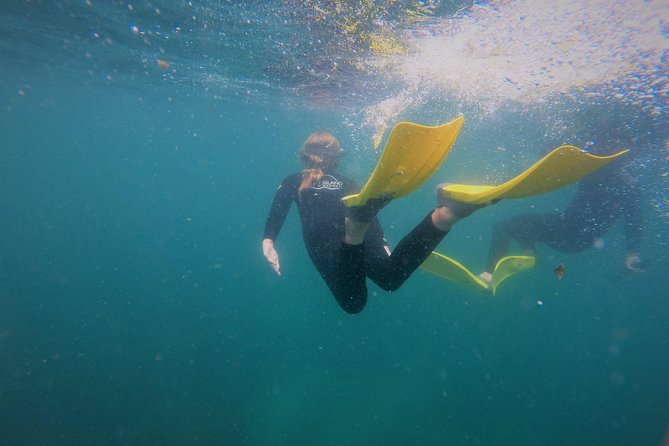
The session begins with instruction in the techniques you will use in the water. You will practise breathing for freediving, learn how to duck under the surface, work on equalizing the pressure in your ears as you descend, and try different ways to clear your snorkel.
These are small skills with a practical payoff. A snorkel that fills with water can interrupt your rhythm; learning to clear it helps you get back to breathing without fuss. Equalizing is important because pressure increases as you go deeper. And a calm, efficient breath can help you feel more comfortable when you are briefly underwater.
Breath-hold practice is not limited to the sea. The session introduces ways to work on it outside the water, too. The aim is not to push you into staying under longer than feels right. It is to give you a better understanding of how to practise and make sensible choices.
Before swimming, your guide also gives a safety briefing and shares background on Goat Island and the marine life you may encounter. That context makes the outing more than a gear rental and a swim. You learn why this place matters, then have a guide close by to help you recognise what is around you.
More snorkel trips from Auckland:
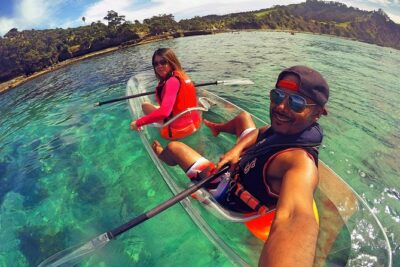
- Clearyak hire at Goat Island Marine Reserve
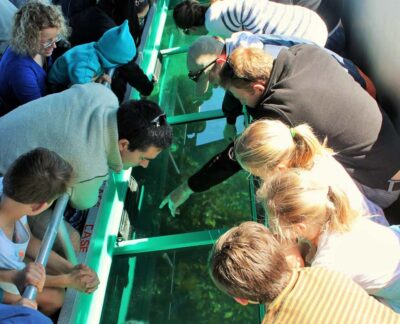
★ 5.0 · 80 reviews - Goat Island: Glass Bottom Boat Tour
★ 4.2 · 46 reviews - Guided Snorkeling and Island Exploration in Auckland
★ 5.0 · 4 reviews
Exploring New Zealand’s first marine reserve
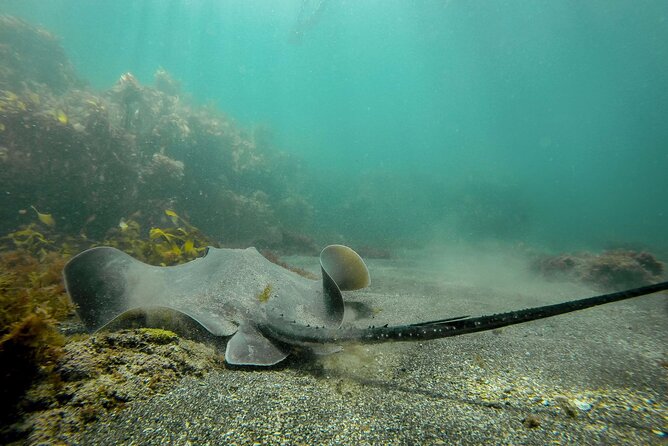
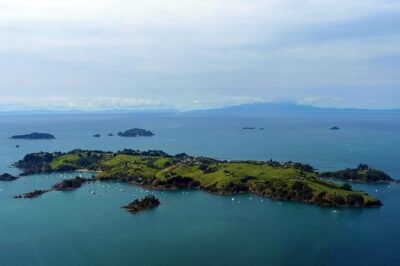
Goat Island Marine Reserve was New Zealand’s first marine reserve, and its protected waters are the main reason to come. You enter a natural aquarium where fish can be seen at relatively close range. The exact sightings vary, but fish are a regular part of the scene; rays, including stingrays and eagle rays, have also been spotted.
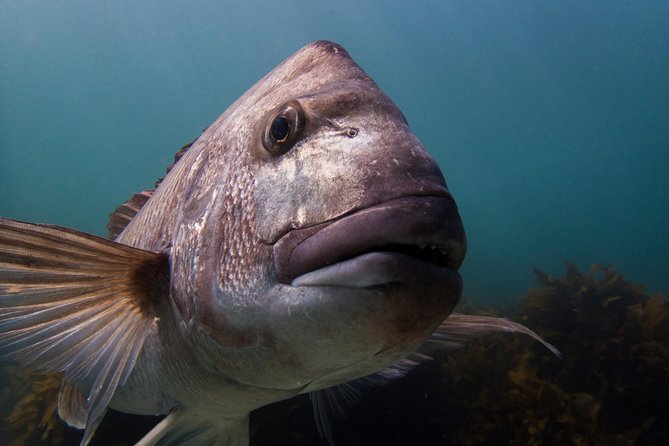
Your guide leads the group and points out sea life as you move through the water. That makes a real difference if you are still learning where to look. A small, camouflaged creature such as a nudibranch can be easy to miss, while a guide may also show you larger fish such as snapper or draw your attention to a squid’s ink.
The focus is on practising your new techniques while taking in the reserve, rather than racing around. You will make stops to try duck-under and snorkel-clearing skills and to get used to being underwater. Guides such as Connor, Sara, Winnie and Tiff have led sessions here; the guide on your date may differ.
The water can be shallow and relatively easy to navigate, but the sea is not always calm. When conditions are rough, the group may be moved to another site. A change to Matheson Bay has happened before. It is sensible to think of the marine reserve as the planned destination, not a guarantee that every session will enter the water at exactly the same spot.
The value of a guide in the water
You can snorkel independently at Goat Island, but this session earns its keep through instruction and company. A guide can help you get comfortable with the equipment, keep the group together and point out animals you might swim past without noticing. That support can be especially useful if you have snorkeled before but want to improve your technique, or if you are not yet confident exploring alone.
The maximum group size is 10. That is small enough for a guide to stay close, though it does not mean the group will move at a uniform pace. If some people are new to snorkeling and others are more experienced, the outing may progress slowly. One account of the tour described a mixed-ability group that did not get far; that is a fair trade-off to understand before booking a guided session.
On the other hand, a slower pace can suit you if you want time to practise, ask questions and watch the marine life. The guide’s job is not simply to lead a route. Guides have been praised for staying nearby, explaining safety clearly and helping the group feel at ease. That close attention is a central part of what you are paying for.
Using the gear after the guided session
Once the tour ends, you can keep the equipment for the rest of the day and continue snorkeling in the reserve. This is one of the best-value details of the outing. The guided portion gives you instruction and a first swim with support; the extra time lets you try the skills again without having to arrange another rental.
If you can, book the 10:00 am start so you have more of the day left for independent practice. That is a practical advantage, not a promise of a longer guided tour. The formal session lasts about 2 hours and 30 minutes, and the extra equipment use is for afterward.
This open-ended time suits people who want to stay in the water after the group session. It is less useful if you have a tight schedule or plan to leave straight after the tour. And the conditions still matter: gear in hand does not guarantee that the water will be calm or that every planned spot will be suitable.
More guided trips around Auckland:
- Hobbiton Movie Set: Guided Tour Ticket
★ 4.9 · 8,167 reviews - Hobbiton & Waitomo Caves Guided Day Trip from Auckland incl lunch
★ 5.0 · 2,677 reviews - Waitomo Glowworm Caves Guided Tour
★ 4.5 · 1,027 reviews - Waitomo Caves: Ruakuri Cave 1.5 Hour Guided Tour
★ 4.7 · 985 reviews
What $48.18 buys you
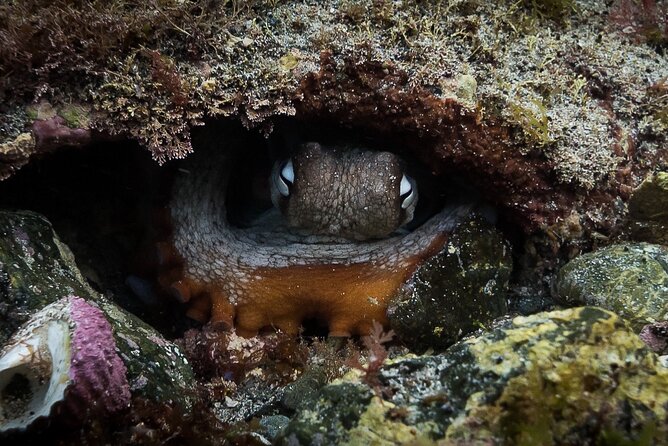
At $48.18 per person, the price covers the guided instruction, use of the mask, snorkel, fins, wetsuit and weight belt, and access to that equipment for the remainder of the day. The value is strongest if you take advantage of both parts: the guided lesson and the chance to keep practising afterward.
A self-guided swim may cost less if you already own suitable gear and know the reserve well. But the tour adds fitting help, a safety briefing, technique coaching and an instructor who can identify marine life. If you are working on confidence or want to learn more than basic surface snorkeling, those are useful extras rather than decoration.
The price also buys a smaller group, capped at 10 people. That does not ensure a private-feeling outing, particularly when abilities differ, but it gives the guide a more manageable group than a large excursion would. The experience is commonly booked about 19 days ahead, so leaving it until the last minute may limit your choice of date.
Who will get the most from this session
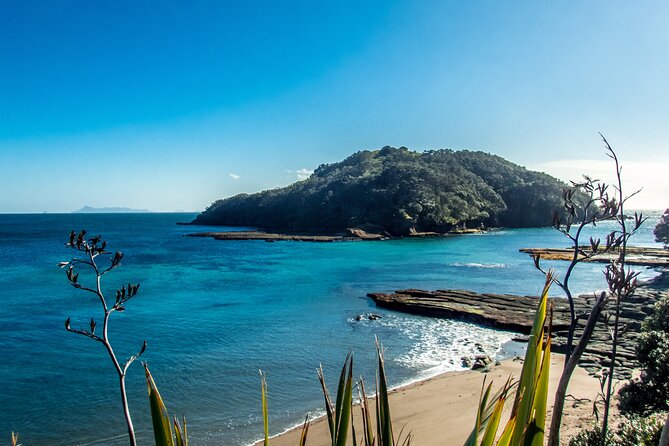
This tour is a good fit if you already have some comfort in the water and want to improve your snorkeling skills. It also makes sense if you are new to snorkeling but reasonably fit and keen to learn with a guide. The word advanced can sound daunting, but the session includes instruction; it is not simply an unguided test of your abilities.
It can work for a family member or friend with more experience alongside someone newer, as long as everyone is prepared for a group pace. The instructor can help a beginner get started, but a mix of confidence levels may affect how far the group travels. If your priority is a fast-moving route or lots of distance, that is worth weighing.
The reserve’s appeal is its marine life, not a guarantee of particular animal encounters. You may see plenty of fish, and rays have been spotted, but dolphins and fur seals are not assured. Go for a guided look at the underwater environment and the chance to improve your skills, not for a promised wildlife checklist.
Practical details before you book
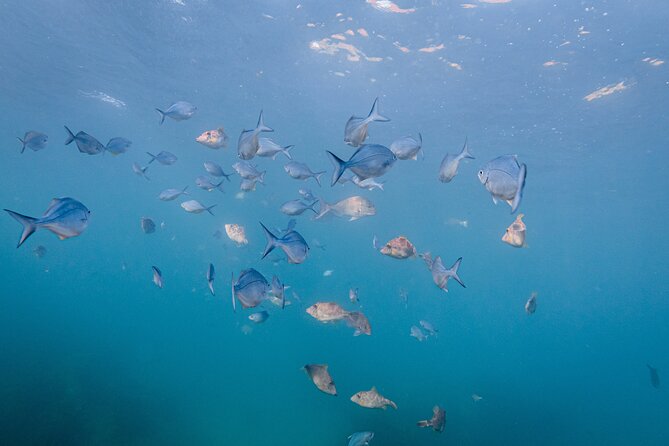
The tour begins and ends at the Goat Island snorkel center, but you drive your own vehicle the 3km to the reserve after collecting your gear. The stated start time is 10:00 am, and the activity lasts about 2.5 hours before the additional equipment-use time.
You need a moderate level of physical fitness. The group is limited to 10, confirmation is provided when you book, and the session depends on suitable weather and a minimum number of participants. If poor weather cancels the tour, you can be offered another date or a full refund. You can cancel for a full refund up to 24 hours before the start time; changes or cancellations inside that window are not accepted.
Should you book the Goat Island advanced snorkel?
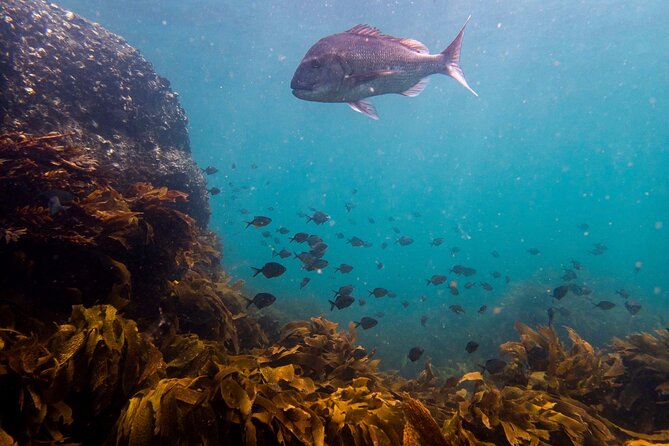
Book it if you want hands-on help with breathing, ear equalizing and clearing your snorkel, and you value a guide who can help you spot marine life. The included gear and its use for the rest of the day make the $48.18 price appealing, especially if you plan to keep swimming after the lesson.
Skip it if you are looking for a guaranteed encounter with dolphins or seals, need a fast-paced outing, or are uncomfortable with moderate physical activity in the sea. For most people with a reasonable level of water confidence, though, this is a practical way to explore Goat Island, learn skills you can use again and spend more time in the reserve than a short guided swim alone would allow.
FAQ
How long does the guided snorkel last?
The activity lasts approximately 2 hours and 30 minutes. You can use the provided equipment for the rest of the day after the guided session.
What time does the tour start?
The listed start time is 10:00 am.
Where do I meet the group?
Meet at 142A Pakiri Road, Leigh 0985, New Zealand. The activity ends back at the meeting point.
Is transport to Goat Island included?
No. After getting fitted with equipment at the center, you drive your own vehicle about 3km to the marine reserve.
What equipment is provided?
The center provides a mask, snorkel, fins, wetsuit and weight belt.
What skills will I practise?
The session covers duck-under technique, equalizing your ears, clearing your snorkel and breathing practice for freediving.
How large is the group?
The maximum group size is 10 people.
What level of fitness do I need?
The stated requirement is a moderate level of physical fitness.
Can the snorkel location change?
Yes. If sea conditions are rough, the session may move to another location. Matheson Bay has been used as an alternative.
What happens if the tour is canceled because of weather?
You will be offered a different date or a full refund if poor weather causes the experience to be canceled.
Just added around Auckland
- Waiheke Island: Gulf Marine Park Sailing Adventure & Lunch★ 5.0 · 4 reviews
- Waiheke Island: Scenic PREMIUM Wine Tour. Max 11 clients★ 4.9 · 8 reviews
- West Auckland: Sunset with Thermal pool & Wine Tasting★ 5.0 · 3 reviews
- Waiheke Island: Premium Vineyard, Wine Tasting and Bush Walk★ 5.0 · 4 reviews
- Waitomo E-bike ride including enchanting bush walk★ 5.0 · 4 reviews
- Okohua Glowworm Cave Adventure★ 5.0 · 16 reviews
- Flavours of Waiheke, wine, beer, spirits INCLUDES lunch – MAX 11★ 5.0 · 9 reviews
- Waitomo Glowworm Caves and Kiwi House Small Group from Auckland★ 5.0 · 20 reviews
Goat Island Snorkeling Tours, compared.
Guided Snorkeling and Island Exploration in Auckland
Read our review →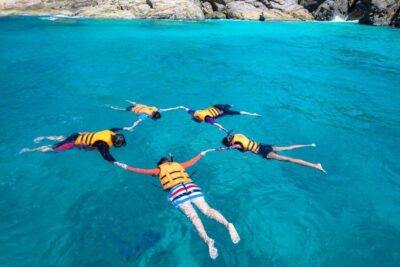
Browse the lists this tour appears in