Reviewed · TOURS IN AUCKLAND
Guided Tour at Pukorokoro Shorebird Centre
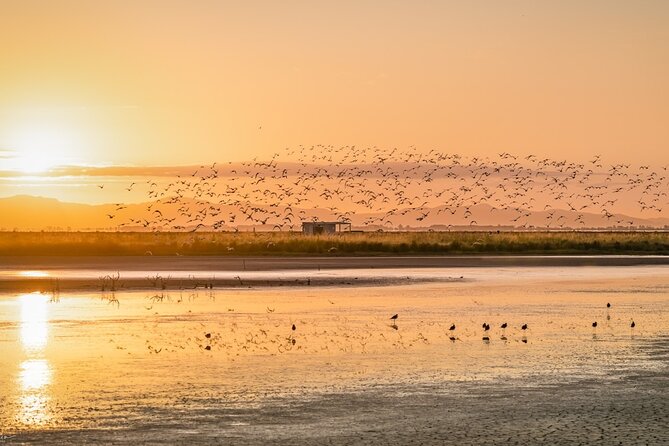
The remarkable sight here is not one rare bird, but thousands of shorebirds gathered in their natural habitat. At Pukorokoro, the tide shapes what you can see, and the guide helps you make sense of a busy estuary where godwits, red knots, and other migratory birds feed and rest.
I like two things in particular: the tide-timed walk and telescope use make the birdwatching more rewarding, and the guides connect the birds in front of you to their immense migrations. One consideration: this is a walking tour, and it is not recommended if you have very limited mobility.
What to know before you go
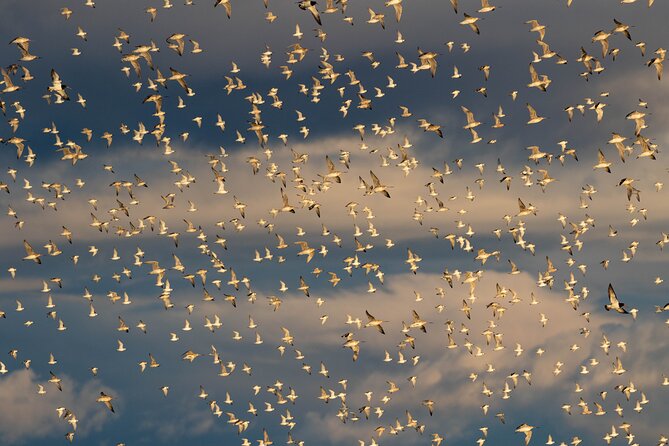
- The birds are the main event: Expect to visit the Robert Findlay Wildlife Reserve and its bird hides, where thousands of shorebirds may be in view.
- Tides matter: The tour is timed around the tides so birds are more likely to be present. The guide can help you identify what you are looking at.
- Telescopes are provided: You can use the Centre’s telescopes, and binoculars are worth bringing if you already own a pair.
- It is a private tour: Only your group participates, so you can ask questions at your own pace.
- Plan for a short walk: The experience lasts about 90 minutes and involves walking around the reserve.
- Bring your own refreshments: Bottled water and snacks are not included. You can refill a water bottle at the Centre, and staff can recommend nearby places to eat.
A tidal estuary, not just a bird hide
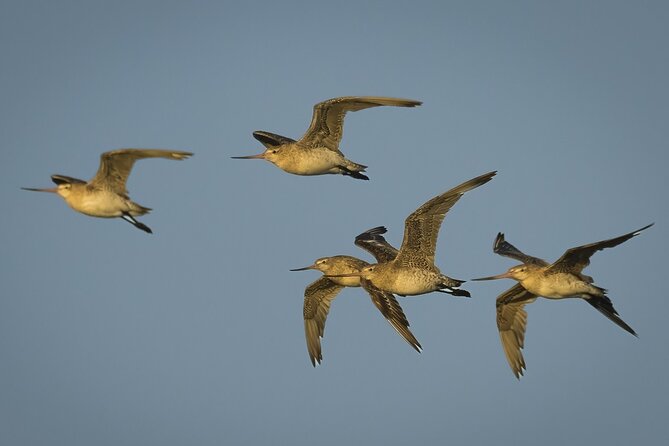
Pukorokoro Miranda is a chance to see a working coastal habitat rather than simply scan a field guide. The estuary brings together water, mudflats, and the birds that use them. The tour also introduces the geology that helped create this sanctuary, giving you a wider frame for understanding why this stretch of coast matters.
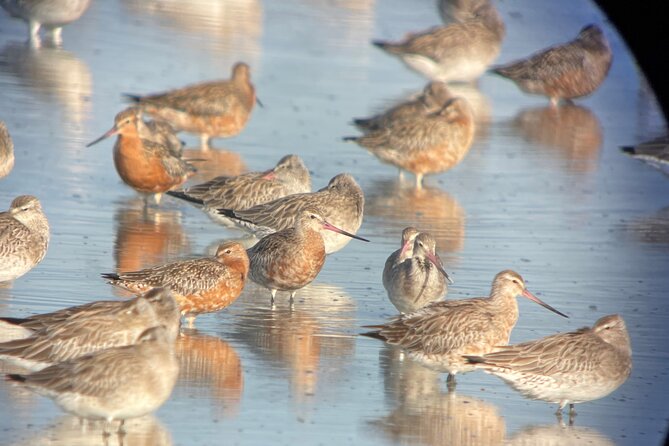
That context is useful because shorebirds can look like a crowd of similar shapes at first. A guide can help you distinguish one bird from another and explain what the birds are doing in the habitat. The challenge can be as simple as figuring out whether you are looking at a wrybill or a godwit. With thousands of birds in view, a little explanation turns the scene from a mass of movement into something you can read.
The tour is led by a guide from Pukorokoro Miranda Shorebird Centre, an organisation committed to conservation. The emphasis is not only on naming birds, but on learning about the pressures they face and the importance of protecting the places they rely on. That makes the visit worthwhile even if you arrive with little birdwatching experience.
More guided trips around Auckland:
- Hobbiton Movie Set: Guided Tour Ticket
★ 4.9 · 8,167 reviews - Hobbiton & Waitomo Caves Guided Day Trip from Auckland incl lunch
★ 5.0 · 2,677 reviews - Waitomo Glowworm Caves Guided Tour
★ 4.5 · 1,027 reviews
Walking the Robert Findlay Wildlife Reserve
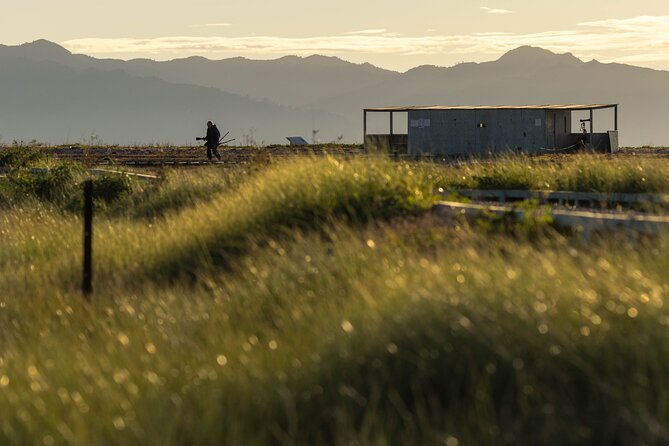
The full 90-minute tour takes place at the Robert Findlay Wildlife Reserve. You walk around the reserve and visit bird hides, with the guide showing you how to use the telescopes and helping you look across the habitat for shorebirds.
The hides give you a place to stop and observe rather than rush past the birds. Telescopes are included, which is a practical benefit: shorebirds may be far enough away that close details are hard to make out with the naked eye. If you have binoculars, bring them too. They are not required, but can be handy for following a bird or scanning the reserve while the telescope is in use.
The walk is an important part of the experience, not a long transfer between attractions. You stay focused on the reserve, the birds, and the estuary. That makes this a good fit for anyone who would rather spend time learning one place well than hurry through a list of stops. The trade-off is that the tour does not offer a broad circuit of the region. Its value lies in close attention to this particular wetland.
The tour is described as private, so only your group takes part. That can make it easier to ask questions, pause over a bird, or follow an explanation that interests you. It is still a guided walk, not a free-roaming visit, and the route is around the reserve and its hides.
Reading the shorebirds through a telescope
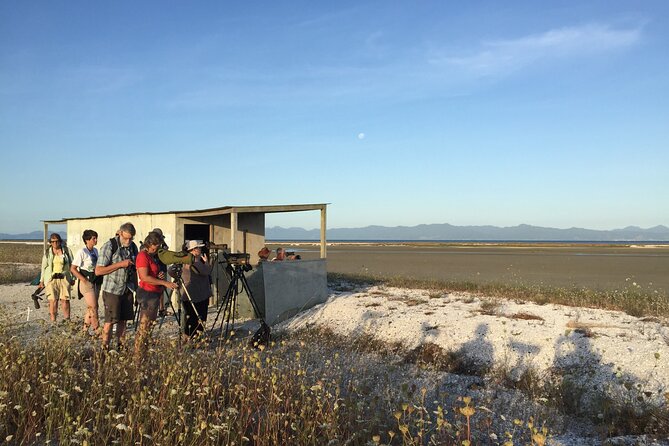
For many people, the first surprise will be the sheer number of birds. The reserve can hold thousands of shorebirds, including godwits and red knots, alongside other species. The sight becomes especially compelling when you learn that some of these birds are long-distance migrants.
The kuaka, or godwit, is a central part of the story. The tour introduces the birds’ extraordinary migrations and the difficulties they face. Knowing that these birds travel vast distances gives the spectacle a different scale. You are not only watching a flock settle on an estuary; you are looking at animals whose lives depend on habitats along a migration route.
The telescope is useful both for seeing details and for learning to identify species. A guide can point out what to look for and answer questions as you observe. Past tour guides Trudy and Chelsea have been praised for their explanations and willingness to help, and their names give you a sense of the Centre’s personal, hands-on approach. Individual guides can vary, but the tour is built around an informed person who can bring the birds into focus.
A tip: bring binoculars if you own them. The Centre provides telescopes, so you do not need to buy or carry specialist equipment to take part. But your own binoculars can give you another way to look while sharing the telescope or waiting for a closer view.
Why the tide shapes the visit
The timing is not incidental. Tours are scheduled around the tides so the birds are more likely to be present. That is a sensible detail to know before booking: the natural setting determines what you will see, and the tide affects where the birds are.
This also means the experience is not a guaranteed checklist of species. The tour is designed to improve your chances of seeing shorebirds in their habitat, but wildlife remains wildlife. Your guide can explain the birds and the estuary even if the exact mix shifts from one visit to another. Keep your expectations flexible and the visit becomes more about understanding the place than collecting sightings.
The experience requires good weather. If poor weather forces a cancellation, you will be offered another date or a full refund. You can also cancel for a full refund if you do so at least 24 hours before the start time. Changes or cancellations inside that 24-hour window are not accepted for a refund.
Same city, a different kind of day:
- Waiheke Island: Ferry & Hop-On Hop-Off Explorer Bus Tickets
★ 4.6 · 3,311 reviews - From Auckland: Hobbiton & Waitomo Caves Day Trip with Lunch
★ 4.9 · 2,505 reviews - Auckland Dolphin and Whale Watching Eco-Safari Cruise
★ 4.5 · 1,790 reviews - Waitomo Caves: Labyrinth Black Water Rafting Experience
★ 4.9 · 1,673 reviews
What the $31.03 price gets you
At $31.03 per person, the price includes the 90-minute guided walk, admission to the reserve, and use of telescopes. You are paying for access to the site and, just as importantly, for a guide who can help you make sense of what you see. For a visitor new to shorebirds, that guidance can be the difference between looking at a distant flock and understanding the species, migrations, and conservation issues in front of you.
Because it is a private activity, the price is per person but the tour is limited to your own group. The value will depend partly on how much you enjoy asking questions and taking time to observe. If you already know the birds well and prefer to watch independently, you may get less from the guided element. If you want an introduction to the reserve and its wildlife, the telescope use and interpretation make the fee easier to justify.
Water and snacks are not included. You can refill bottles at the Centre, and staff can recommend local eateries. The Centre also has comfortable accommodation available for overnight stays, which may suit you if you want to spend more time in the area. The tour itself is only 90 minutes, so staying overnight is an optional way to extend the visit, not part of the guided experience.
Who will enjoy this tour most
This is a strong choice for bird enthusiasts, nature lovers, and anyone curious about conservation. You do not need to arrive as an expert: the guide’s role is to help you identify birds and understand the habitat. The guided format can also suit people who want a focused, educational activity rather than a general sightseeing stop.
It works especially well if you enjoy looking carefully and asking questions. The pace is built around observation, so the reward comes from noticing details and hearing why the estuary matters. If your idea of a good outing is constant movement or a packed itinerary, 90 minutes centered on one reserve may feel slow.
Mobility is another practical factor. The tour involves walking around the reserve, and it is not recommended for people with very limited mobility. If you are unsure whether the walk will suit you, contact the Centre before booking rather than assuming the route is fully accessible.
Should you book the Pukorokoro shorebird tour?
Book it if you want a close, guided look at an internationally significant wetland and are interested in the lives behind the birds you see. The strongest reasons to go are the chance to view thousands of shorebirds through telescopes, the tide-aware timing, and the guide’s help with identification and migration stories.
Skip it if you are looking for a broad tour with several stops, or if a walking activity is not practical for you. For a short visit focused on one remarkable coastal ecosystem, though, this is a thoughtful and fairly priced way to spend an hour and a half. Bring binoculars if you have them, refill your water bottle at the Centre, and leave room in your plans to watch rather than hurry.
FAQ
How long is the guided tour?
The tour lasts approximately 1 hour and 30 minutes.
Where does the tour take place?
The guided walk takes place at the Robert Findlay Wildlife Reserve, on the Pukorokoro Miranda Shorebird Centre’s Shorebird Coast.
What will I do during the tour?
You will walk around the reserve, visit bird hides, and look for shorebirds with help from a guide.
Are telescopes included?
Yes. Use of telescopes is included in the tour.
Should I bring binoculars?
You do not need to bring binoculars because telescopes are provided, but they are worth bringing if you have them.
Is this a private tour?
Yes. Only your group will participate.
Are water and snacks included?
No. Bottled water and snacks are not included. You can refill water bottles at the Centre, and staff can recommend local eateries.
Is the tour suitable for people with limited mobility?
The tour is not recommended for people with very limited mobility because it involves walking around the reserve.
What happens if bad weather cancels the tour?
If the tour is canceled because of poor weather, you will be offered a different date or a full refund.
Just added around Auckland
- Waiheke Island: Gulf Marine Park Sailing Adventure & Lunch★ 5.0 · 4 reviews
- Waiheke Island: Scenic PREMIUM Wine Tour. Max 11 clients★ 4.9 · 8 reviews
- West Auckland: Sunset with Thermal pool & Wine Tasting★ 5.0 · 3 reviews
- Waiheke Island: Premium Vineyard, Wine Tasting and Bush Walk★ 5.0 · 4 reviews
- Waitomo E-bike ride including enchanting bush walk★ 5.0 · 4 reviews
- Okohua Glowworm Cave Adventure★ 5.0 · 16 reviews
- Flavours of Waiheke, wine, beer, spirits INCLUDES lunch – MAX 11★ 5.0 · 9 reviews
- Waitomo Glowworm Caves and Kiwi House Small Group from Auckland★ 5.0 · 20 reviews
Tours in Auckland, compared.

Waiheke Island: Ferry & Hop-On Hop-Off Explorer Bus Tickets
Read our review →
Hobbiton & Waitomo Caves Guided Day Trip from Auckland incl lunch
Read our review →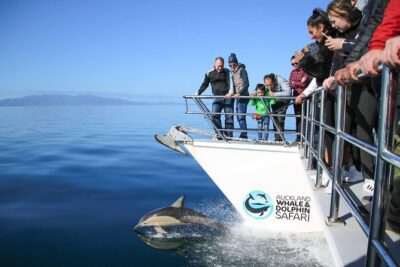
Auckland Dolphin and Whale Watching Eco-Safari Cruise
Read our review →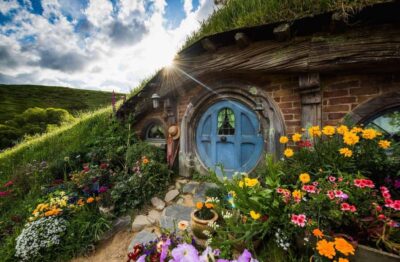
Hobbiton Movie Set Day Trip with Festive Lunch
Read our review →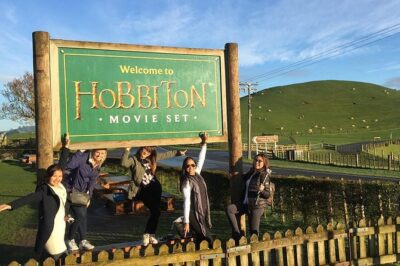
Hobbiton Movie Set Small Group Tour from Auckland
Read our review →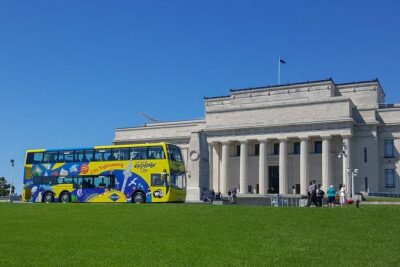
Auckland Explorer: Sightseeing Hop-on Hop-off Tour
Read our review →
Hobbiton & Waitomo Caves Small-Group Tour W Lunch from Auckland
Read our review →